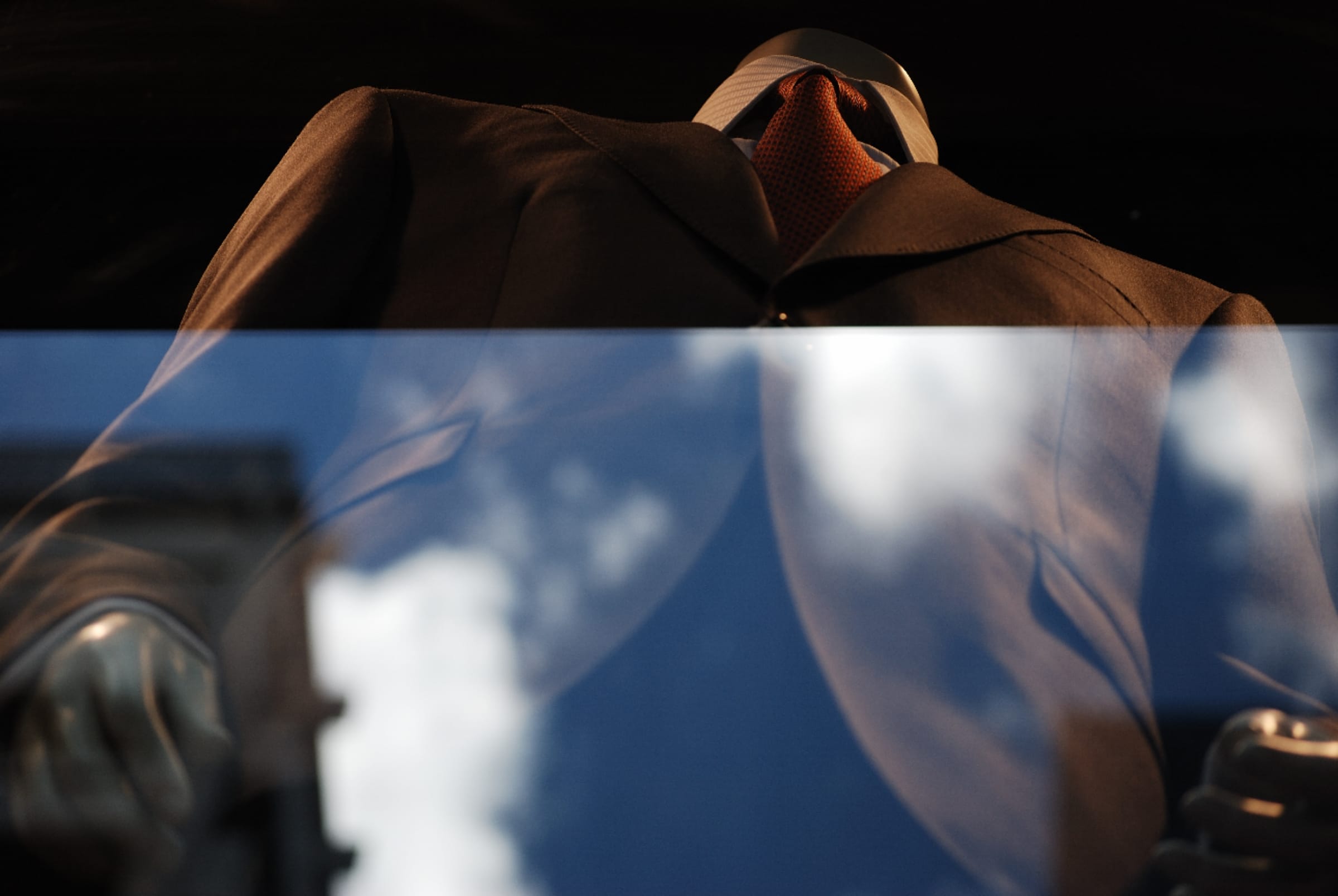
Street photography has been a love of mine for a long time, for as long as I can remember, even before picking up a camera I have always loved the images that come from the discipline. It documents the world, our humanity, the beauty of it, the drama of it, warts and all.
For me street photography teaches seeing the world in a way that brings art into the everywhere. It takes it off the walls, out of the galleries and shows us that in the infinite moments of our lives there are awaiting us countless opportunities to see things in a way that can give us a deeper appreciation of each other and the world we share.
There are however important responsibilities that come with creating work in this discipline. Responsibilities that every photographer would do well to explore within themselves. I don’t want to propose that I am the holder of any single truth on the ethics in street photography, I too am on a journey and exploring what it all means for my work. But below I will share my own current reflections on what I feel are important ethical considerations I need to pass to feel comfortable with the work I create and what I share. I hope it helps you in some way.
Note: I don’t engage with legalities here, these are distinct from ethics. It is best if you look into the laws of the region you create work.
…if you have all the right reasons for doing what you are doing you are doing your job as a human being to push the human race, society, and art forward…

Can the photo be created a different way?
Street photography is most often understood as candid, unstaged or unposed. This approach facilitates works that contain a moment that might not have ever happened before, might not ever happen again, and in so making that moment into a photograph gives the viewer an opportunity to give the moment the appreciation it deserves.
There is however a lot of street photography work that is created using a candid approach that didn’t benefit in any way from this. And could have even benefited more from approaching the person in the photo for consent beforehand. The most widespread example of this are candid photos of interestingly dressed people walking the streets.
There might of course be exemptions to this broad viewpoint, for example, perhaps the photo contained not just a well dressed person, but also some kind of reaction or dynamic from people in other parts of the image that made the candid approach essential to creating the work. But this is not typically the case.
It’s important always ask ourselves, can the photo be created a different way. In the example above could the image still be created of the well dressed person after approaching them to ask for consent. If there is any other way to create the work than using the candid approach, then that approach should take presendence.
As the photographer Gordon Parks said, “The subject matter is so much more important than the photographer.” Keeping this perspective and prioritizing respect for our subjects can create powerful street photography while maintaining ethical standards.
Peter Forsgard – A few thoughts about Ethics in Street Photography
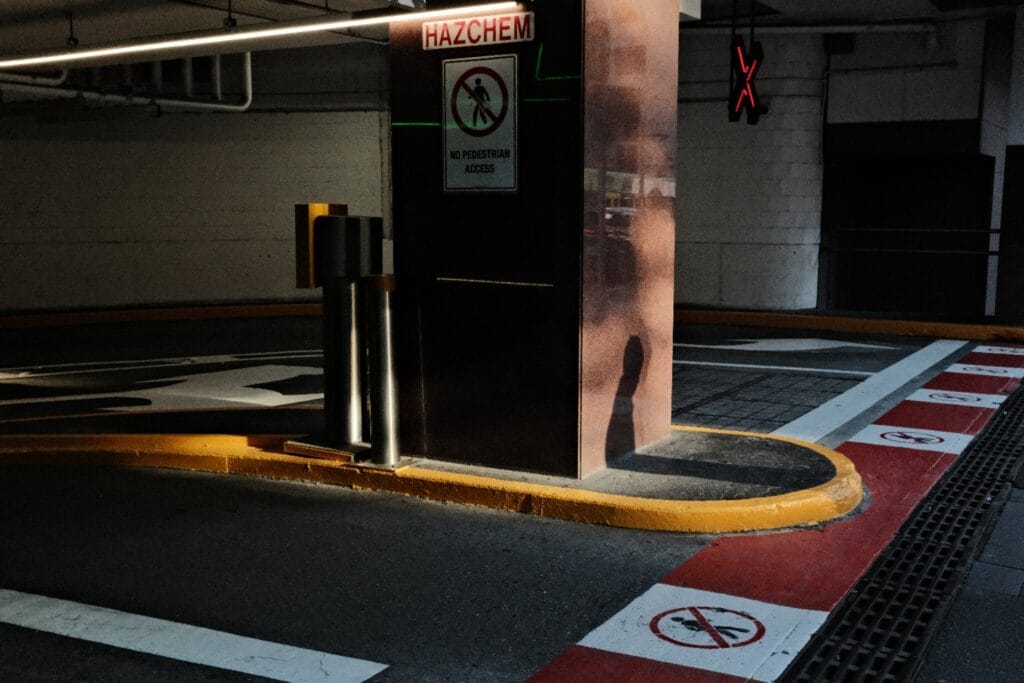
Should you sit this one out?
When we hold the camera we hold a lot of power. This creates a dynamic between us as the photographer and the people that we may or may not photograph that is fundamentally unequal. As a street photographer there is a lot we don’t control but most crucially what we do control is when to make a photo and who to point the camera at when we do.
From this imbalance comes the need for us to reflect, before we even leave the home, on what might be the kinds of circumstances or events that might warrant us simply joining with others as humble observers instead of documentors.
There are examples I feel many will already connect with. Many have a hard rule that they will not take photos of children or the homeless for example. For others the rule might be a bit softer, instead allowing such images but only in certain, very narrow circumstances.
It is important to also reflect on the broader dynamics in our society. As a tall, queer, caucasian man from the middle class are there circumstances I should leave the documenting to others better placed to do so from within those communities. For example when International Women’s Day or Trans Day of Visibility come around every year should I put the camera down and leave it to photographers from those communities document those events.
Despite the heavy influx of information and the possible feelings of guilt and shame after realising the power that a photographer possesses, I am aware that the next question people might ask is ‘so what should I do? Hang up my camera for good and seek out a different career path?’ No, definitely no. What you do need to be aware of is how to use the power that you possess as a photographer to do good…
Anne Nwakalor – No! Wahala magazine / Fairpicture blog
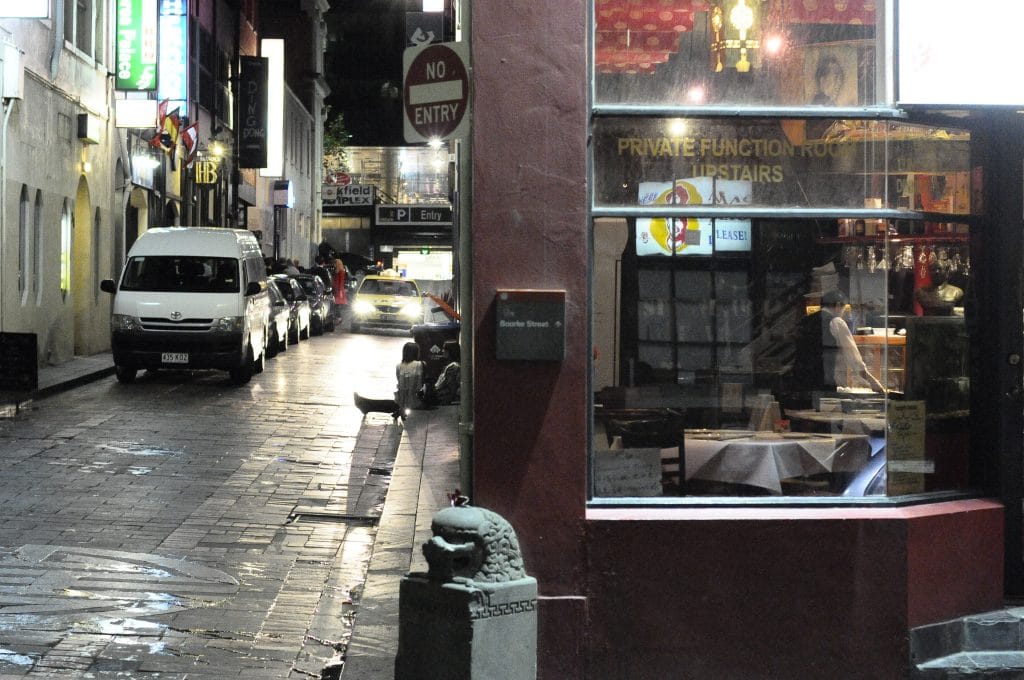
Are there risks to the people in the photo?
Our actions can have real world consequences. This is something that will largely come up not at the point of making an image, but when we are deciding on whether or not we share or publish an image.
Imagine for a moment you are documenting the revelry of city nightlife. You manage to make one of the best photos you’ve ever made, one that you feel perfectly encapsulates your city and your culture. However in the image you see there are people wearing their clearly identifiable work uniforms on their night out, most certainly not were they should be.
Posting the image would almost certainly lead to serious disciplinary action, possibly even termination for the workers if their employer found it. What would you do in such a circumstance? Would you approach them after taking the image to share contact details so they can potentially give consent the following day? Would you delay sharing the image anywhere public, and if you did this, by how long; days, weeks, years? Might you share it on your website but exclude it from social media?
This is but a small example to a wider question about the importance of reflecting on the potential consequences of what we share publically. It of course goes well beyond the scenario above, for example those fleeing domestic or family violence may be identified and in so doing have their location potentially revealed to the perpetrator.
There is no easy answer to this, but it is always important to reflect on ways that we can responsibly share the work that we create in order to, as much as possible, eliminate unintended consequences.
…it’s good to keep in mind how you are representing people and communities from cultures different from your own. That’s not to say you shouldn’t photograph other cultures, just to be mindful you’re not buying into and perpetuating stereotypes or bias. Instead, be mindful and respectful, and approach your subjects with an open mind and an open heart.
Polly Rusyn – 6 Ethical Considerations When Doing Street Photography
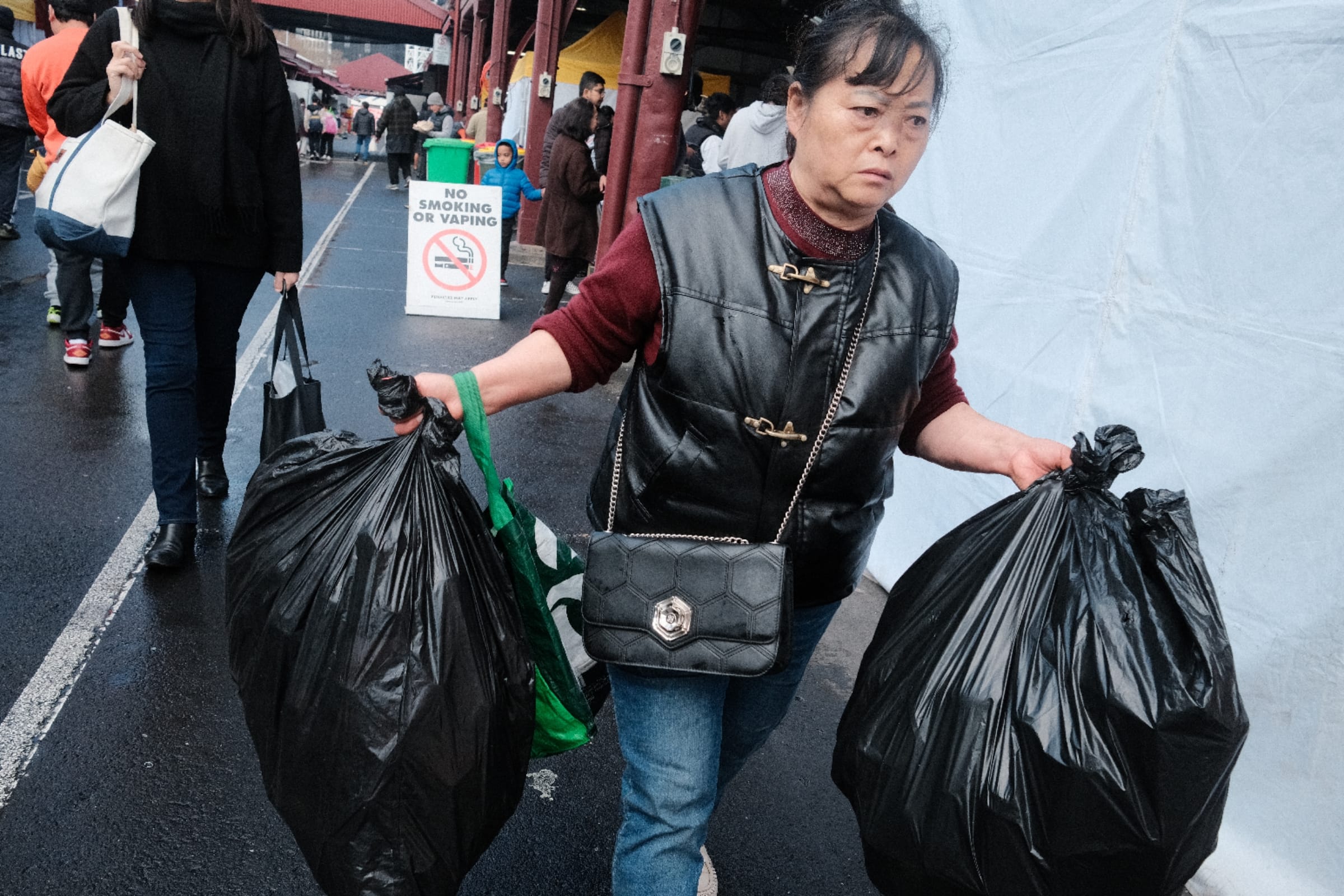
You took a photo, but why?
Is simply being able to take a photo enough to justify it. I feel like the impression that many outside of the street photography community have of the discipline is just that. That we have little care and regard for what we are making.
This in my very biased view is such a great shame, its nothing new either. Photography has always suffered from the perception that because an image can be made so easily that there is little or no artistic value in it. Over time this perception has changed, but this change I feel is also largely something that has really only benefited a narrow set of photography genres.
In part I would argue that such a shift for these disciplines is built on the years of attention such work in these fields has received from some dedicated galleries. An extensive artist statement or a gallery curator talking about a photo the same way one might talk about a Monet or a Van Gogh goes a long way to demonstrating to those outside the street photography community that that content has artistic vision, with thought, care and time gone into creating what they see in front of them. But this largely doesn’t happen for street photography.
All this is too say that as street photographers it is important to have a why, an underlying artistic reason to ultimately justify the invasion of privacy inherent in the field. Whether such invasion is legally allowed is ethically irrelevant, to the extent that laws aren’t being broken of course.
To conduct ourselves with reckless disregard is not only ethically questionable. But also damages the perceived value of the artform we are engaging in. And this hurts us all both inside and outside of street photography. It hurts the artists because their work will have larger obstacles to being appreciated. And it hurts society because it stops people taking the discipline artistically seriously and thereby missing out on the wonders that many great street photographers create.
In the end…
Photography ethics encompasses many things. It is about being respectful, gaining consent, and representing people with dignity. It is about the selfies you take and whether you edit them before you post them to social media. It is about filming a stranger on the train and whether you ask for their consent before sharing it in a group message.
It is about pausing to think about the impact before you click the shutter or the share button.
Ultimately, photography ethics is about power. It is about understanding the power that you wield when you make and share visual media, and it is about choosing to wield that power responsibly.